


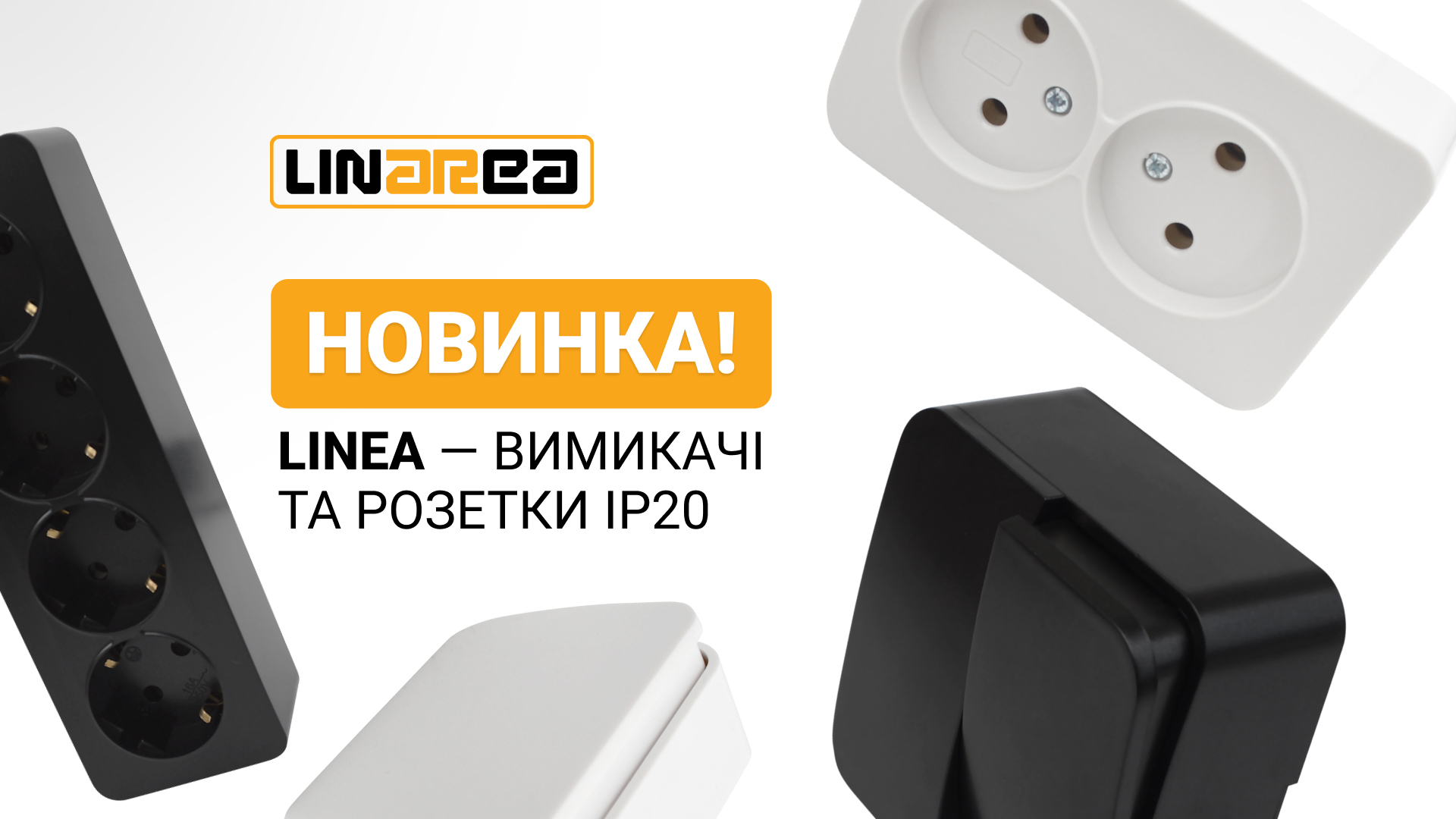
Introducing LINEA — a new range of electrical installation products from LINAREA
LINEA — a new range of electrical fittings from LINAREA: IP20 switches and sockets for surface-mounted installation, available in white and black...
Read more
23 october 2026
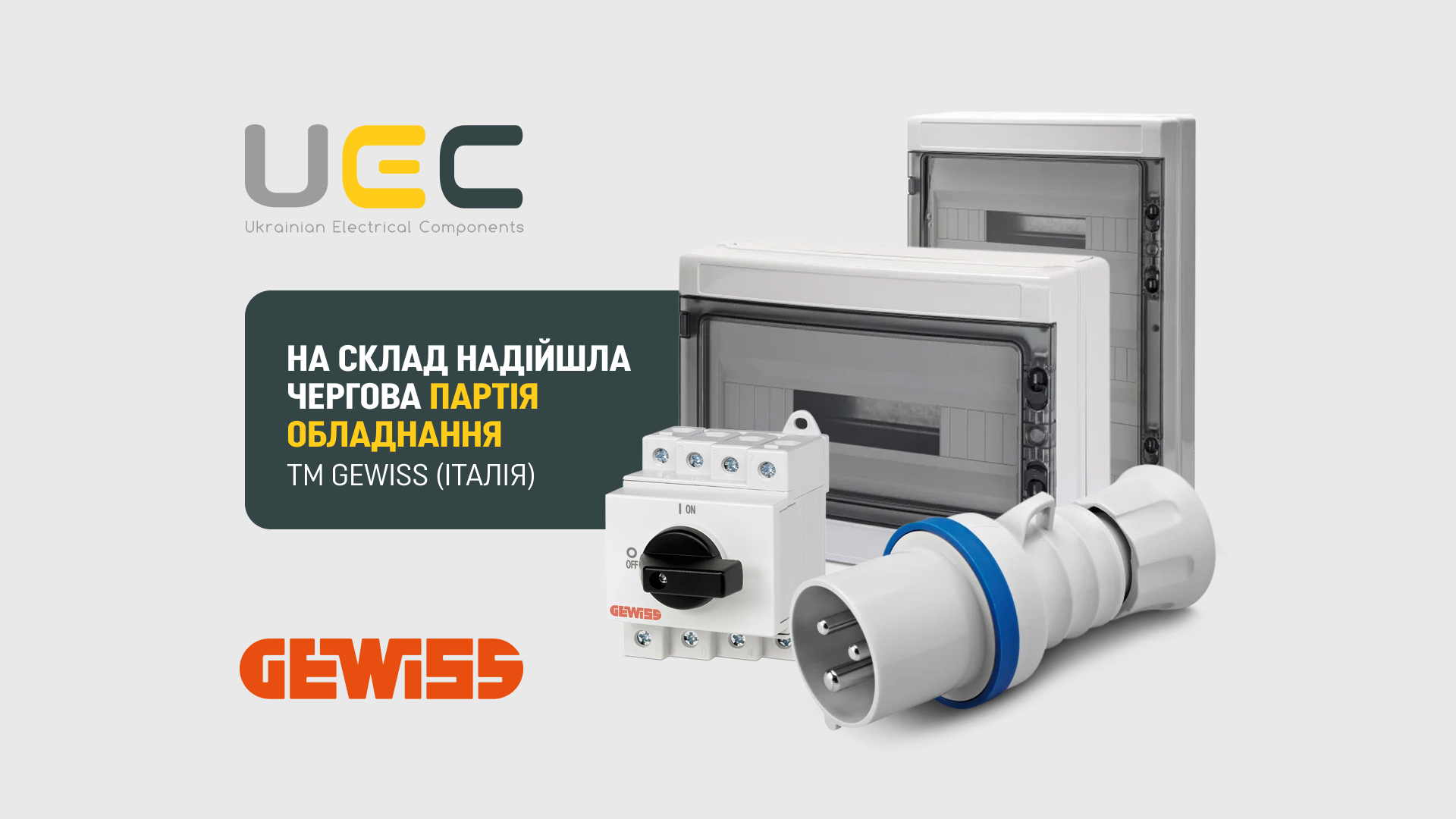
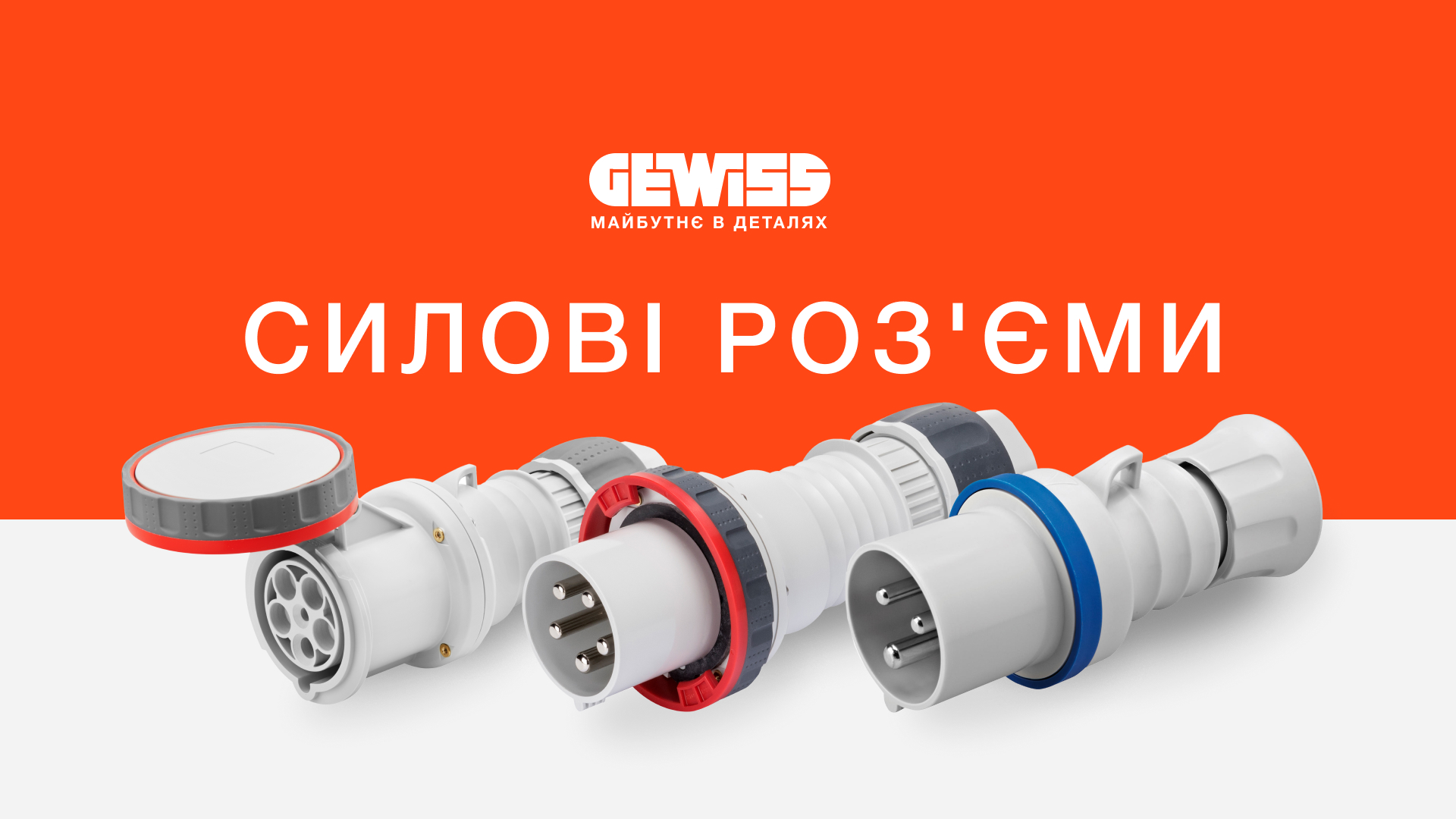
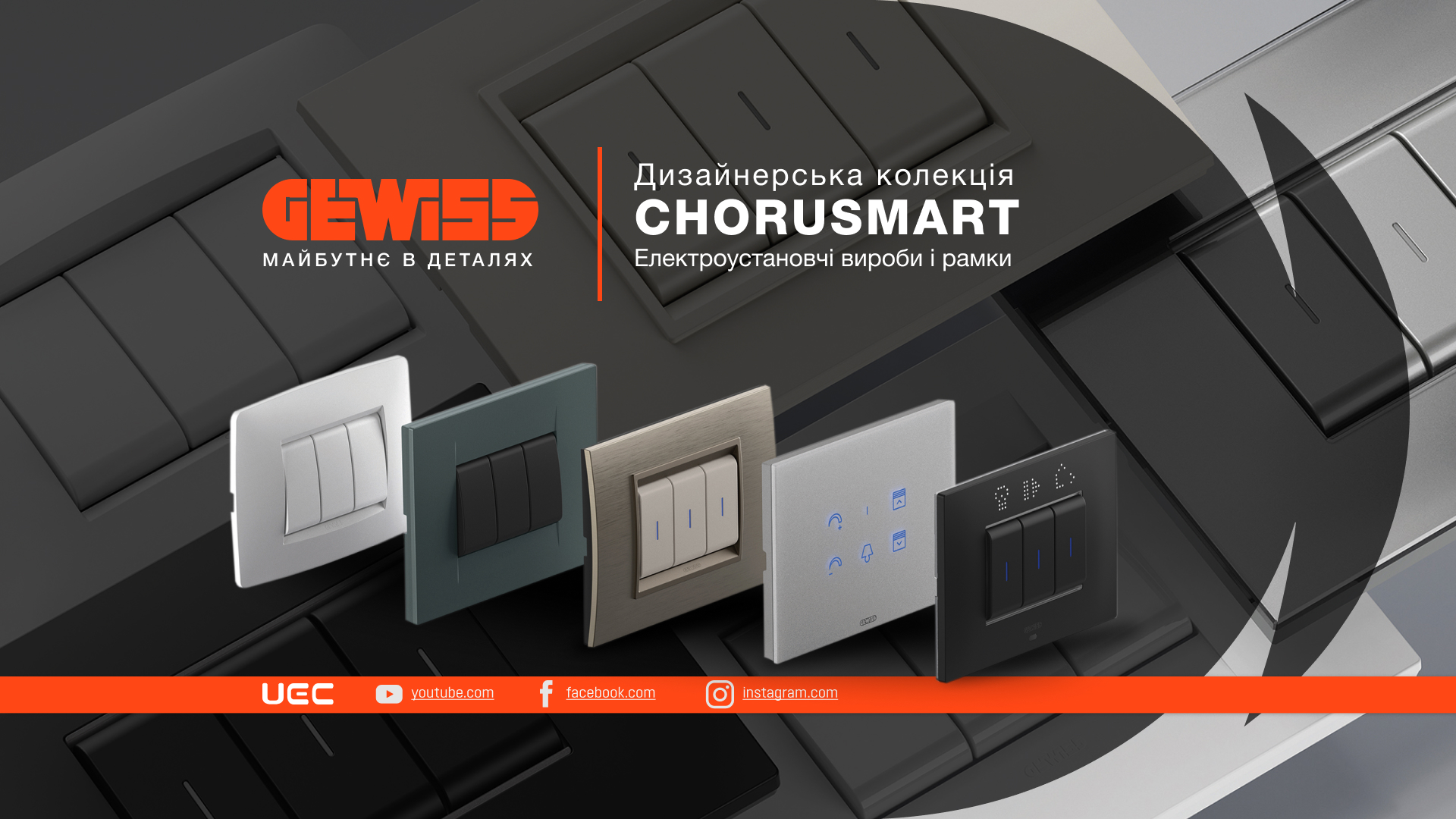
Expansion of the GEWISS (Italy) product range
The latest delivery from GEWISS (Italy) — restocking of existing products and new items for residential, commercial and industrial electrical systems...
Read more
07 october 2026
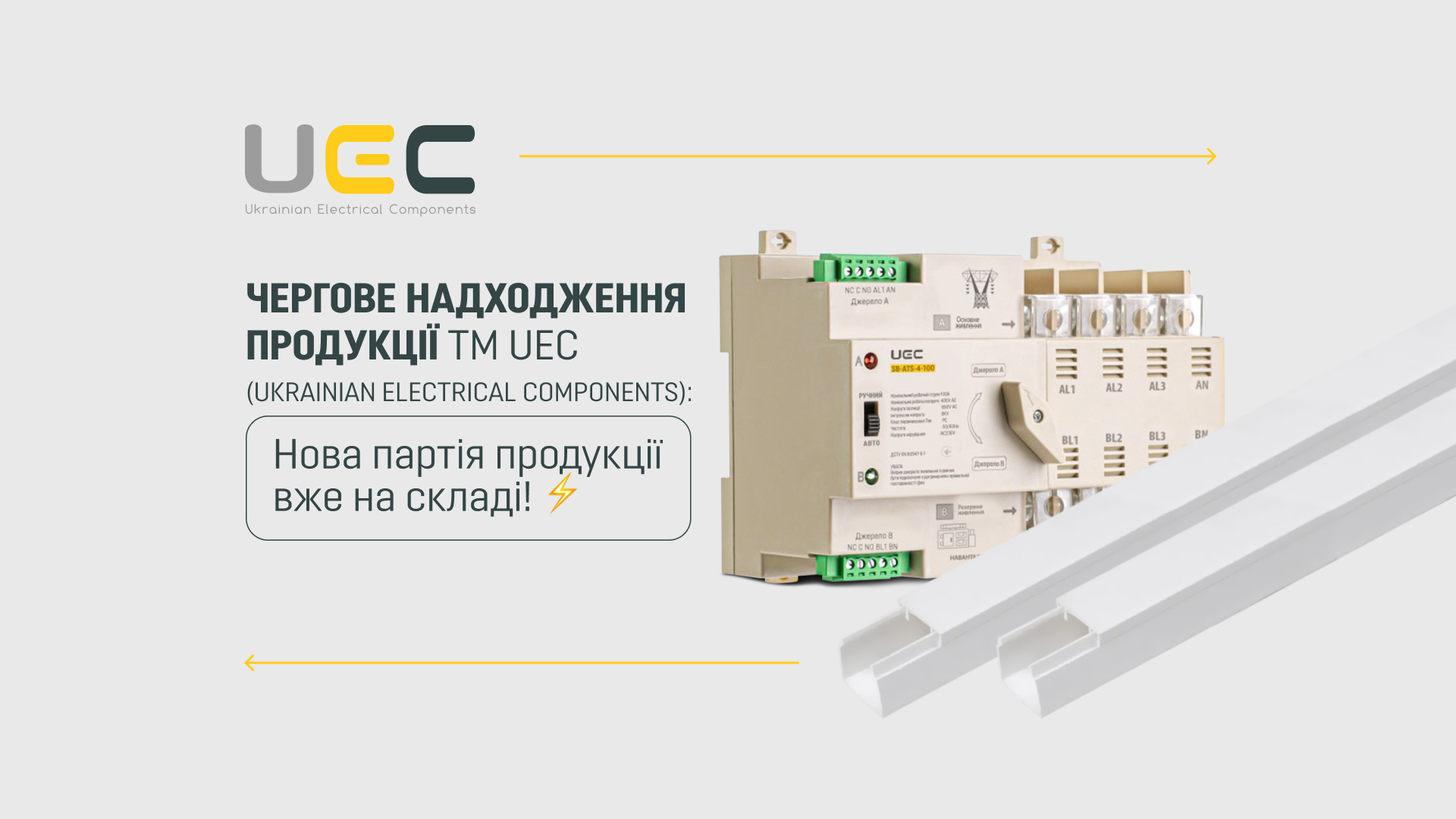
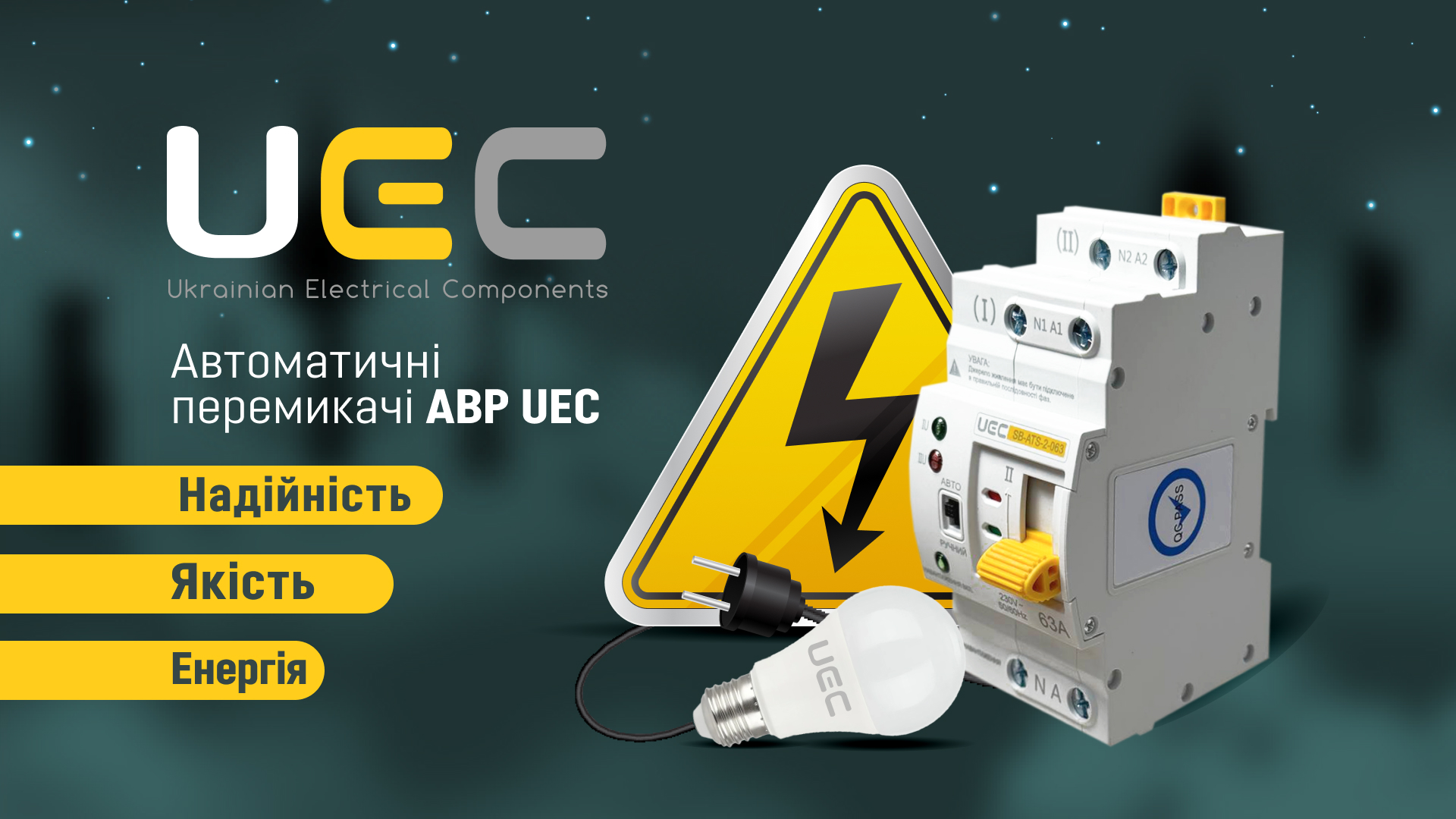
New additions to the UEC product range: cable ducts, cable clamps and automatic transfer switches
The UEC product range has been expanded to include cable ducts, nylon cable ties and automatic transfer switches. Various sizes and models are available to suit a wide range of electrical installation tasks...
Read more
07 october 2026
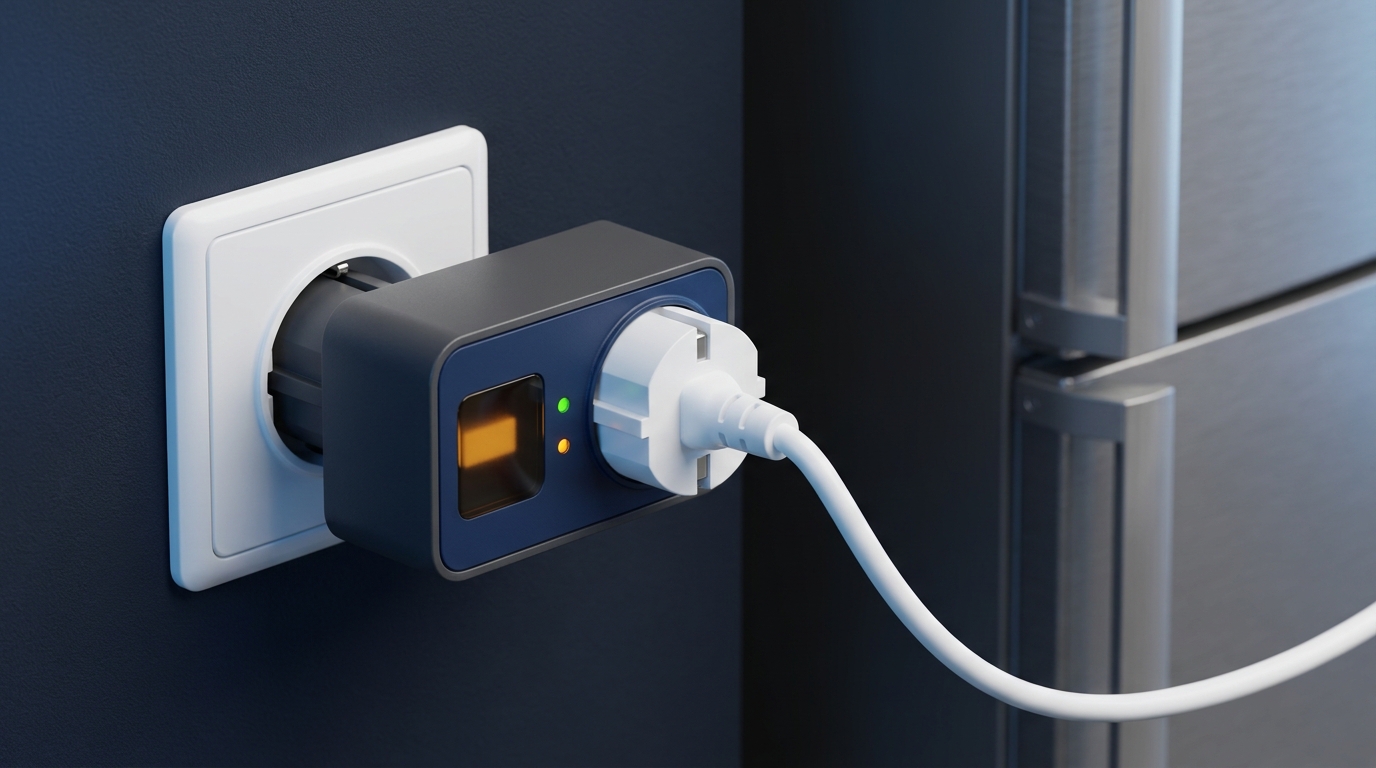
Plug-in Voltage Relay: Overview, Suitable Appliances, and How to Connect
A plug-in voltage relay is a compact plug-and-use adapter that protects a single appliance from voltage spikes and sags without touching the electrical panel. We cover how it differs from a panel-mounted DIN-rail relay, which appliances it suits, how to connect it yourself, and how to set thresholds and delay...
Read more
28 september 2026
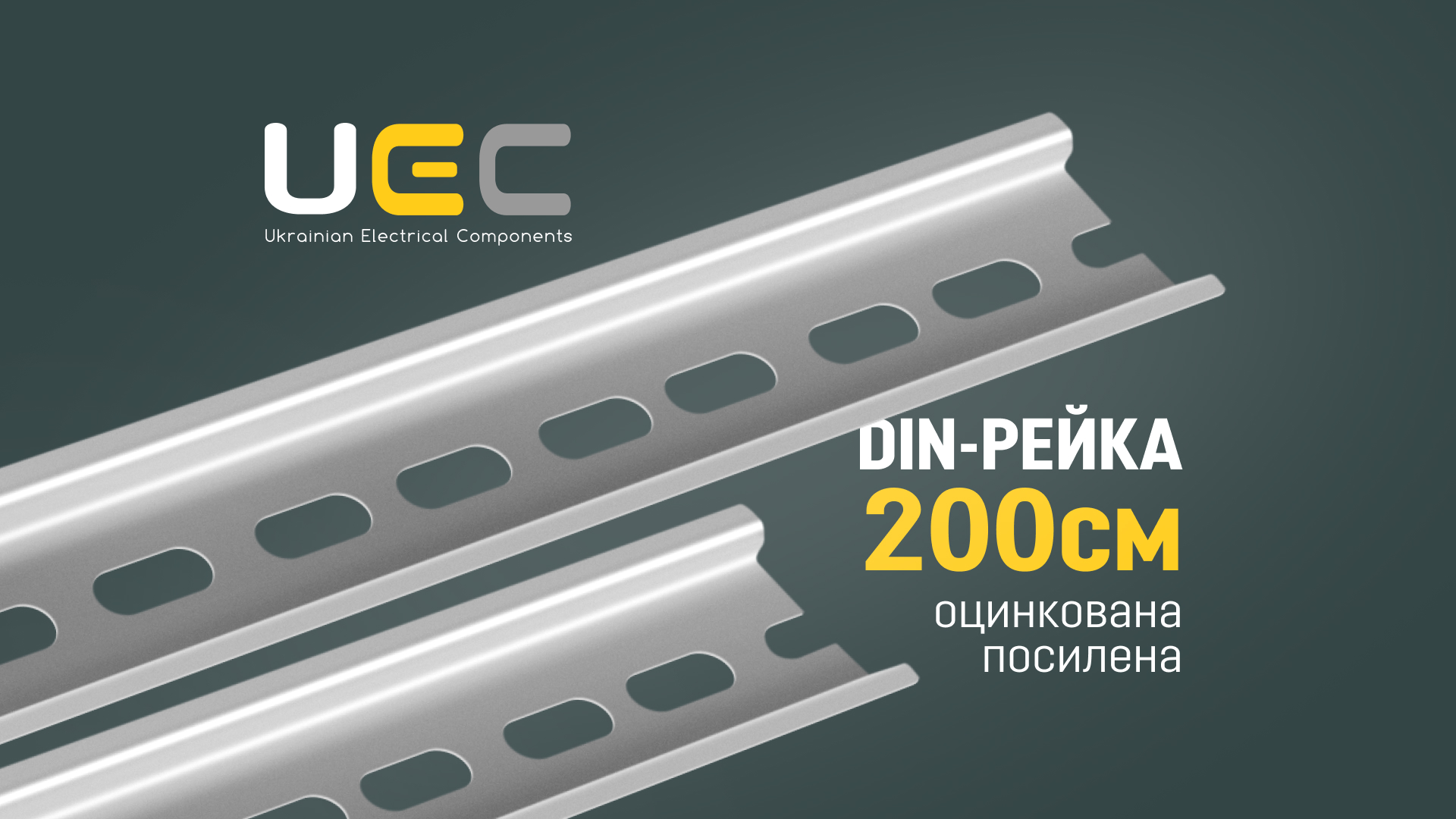
UEC expands its DIN rail range and updates prices for selected products
UEC introduces the new reinforced DIN rail YDN11-0200-U — 2000 mm long, made of galvanized steel with a 1 mm metal thickness. The price of YDN10-0200-U has also been reduced...
Read more
24 september 2026
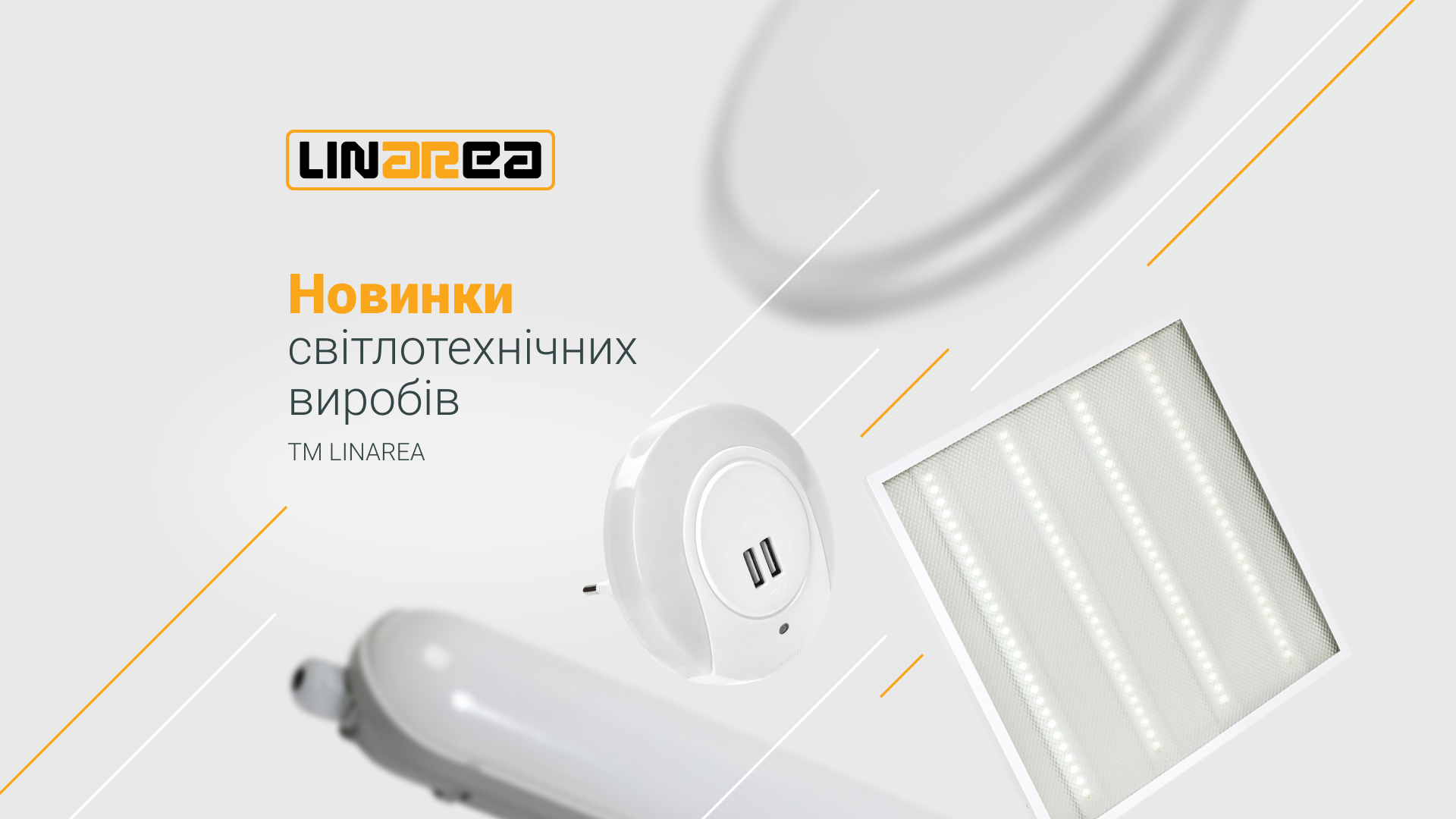
The latest lighting products from LINAREA are now in stock at UEC
New LINAREA (by UEC) lighting products are now available at the UEC warehouse, including LED panels, industrial linear luminaires, floodlights, luminaires for utility rooms and LED night lights...
Read more
16 september 2026

GEWISS (Italy) Product range expanded with new items
The GEWISS (Italy) product range has been expanded with new 90 AM motor protection circuit breakers, 40CDi flush-mounting enclosures and three-phase DIN-rail indicators. All listed items are available to order...
Read more
15 september 2026
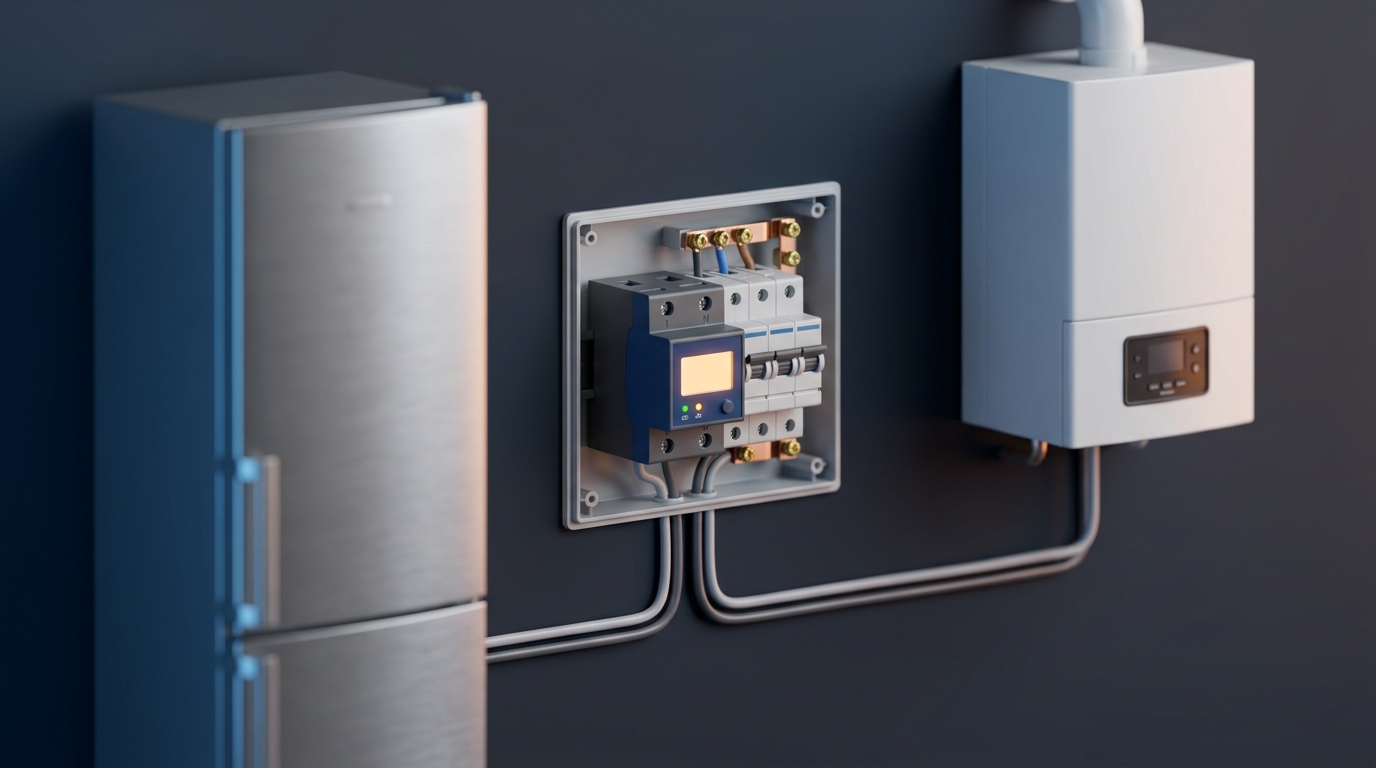
Voltage Relay for a Refrigerator, Boiler and Home Appliances: Protecting the Compressor and Electronics
A practical guide to protecting home appliances with a voltage relay: which upper and lower thresholds to set, why the compressor needs a restart delay, when a socket relay is enough, and when a modular device with a contactor is required. With threshold and power tables...
Read more
14 september 2026

GEWISS and UEC on-site seminar for partners and electrical installers
We held an on-site seminar for partners and electrical installers at Syla Strumu, focusing on the practical and technical features of GEWISS and UEC products, installation convenience, reliability and safety...
Read more
12 september 2026

New UEC product shipment arrives at our warehouse
A new batch of UEC (Ukrainian Electrical Components) products has arrived at our warehouse, including cable ducts, IP55 junction boxes and rigid smooth PVC conduit. The products are in stock and ready for shipment...
Read more
10 september 2026

GEWISS Sustainability Report 2025: Sustainable Development and Innovation
GEWISS Group has published its Sustainability Report 2025, highlighting key achievements in sustainable development, energy efficiency, environmental responsibility, innovation and corporate culture...
Read more
02 september 2026
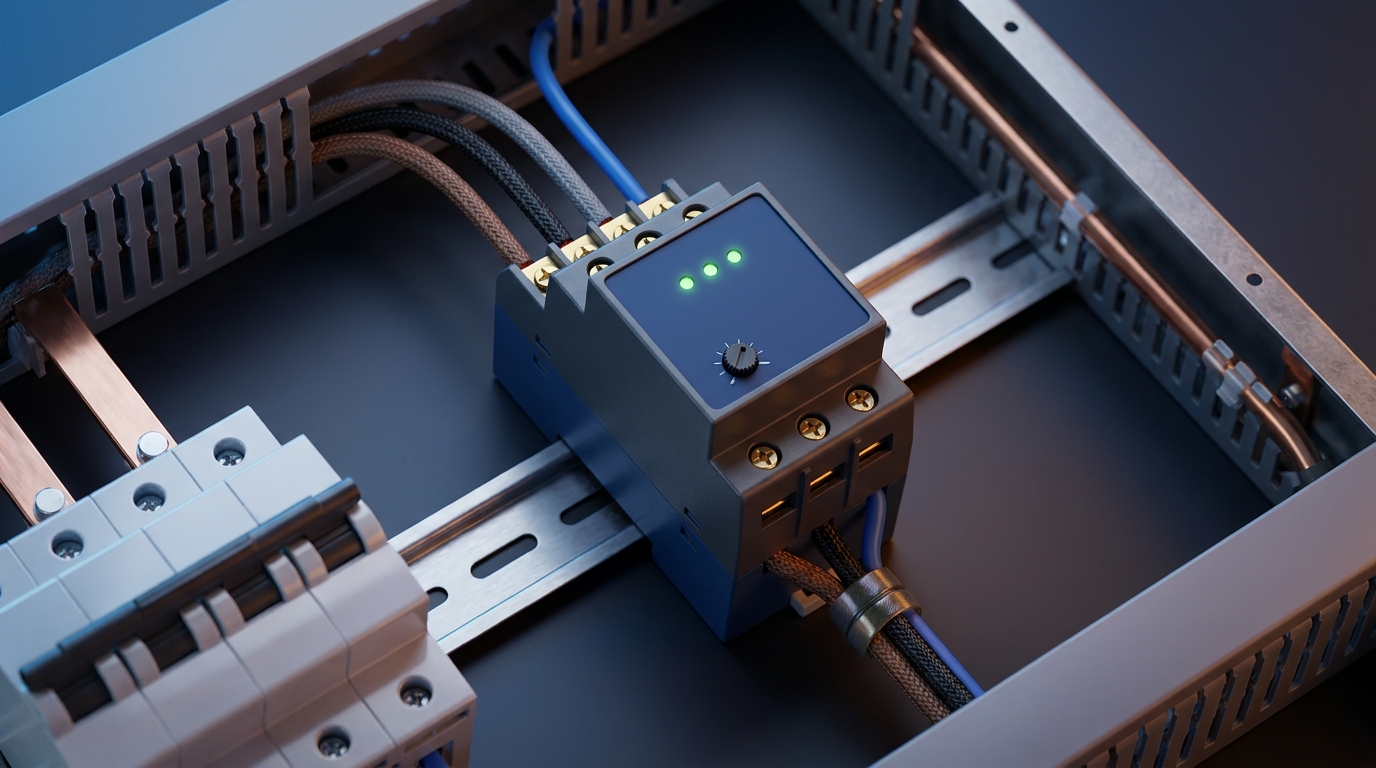
Three-Phase Voltage Relay and Phase Control Relay (380 V): Protecting a Three-Phase Network
A 230/400 V three-phase supply creates faults that do not exist in a single-phase network: phase loss, voltage imbalance and wrong phase sequence. We explain how a phase control relay differs from a voltage relay, when one three-phase relay beats three single-phase ones, and how to build a protection funnel for motors and pumps with a contactor...
Read more
24 august 2026

Happy Independence Day of Ukraine!
35 years of Ukraine’s Independence — years of freedom, strength and resilience. Today, we value peace, home and the opportunity to be together more than ever...
Read more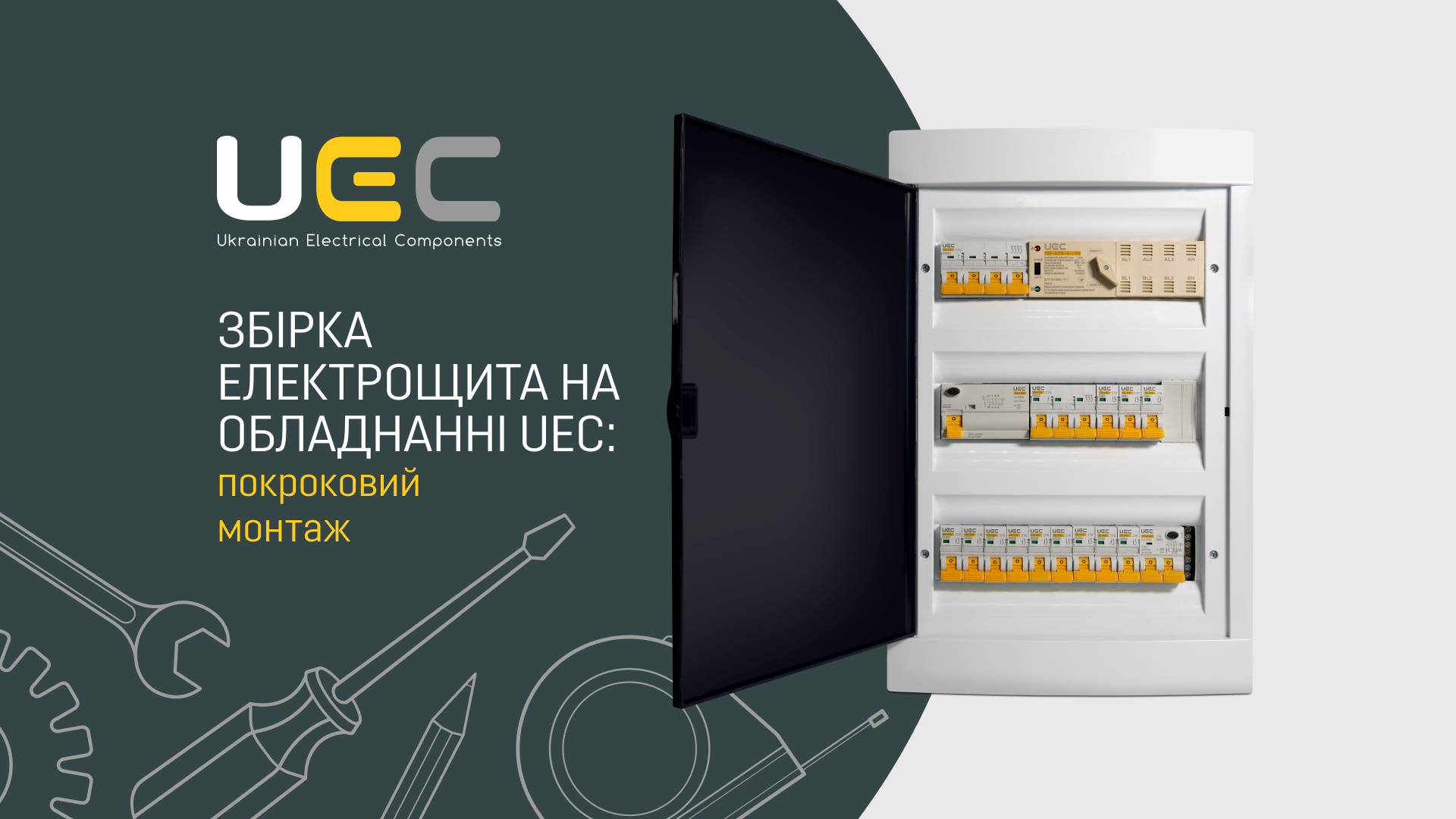
New products and expanded product line from UEC: SB-R10N and SB-H09
UEC expands its range with SB-R10N Type A residual current circuit breakers with overcurrent protection and new SB-H09 three-position changeover switches for switching between two power sources...
Read more
11 august 2026
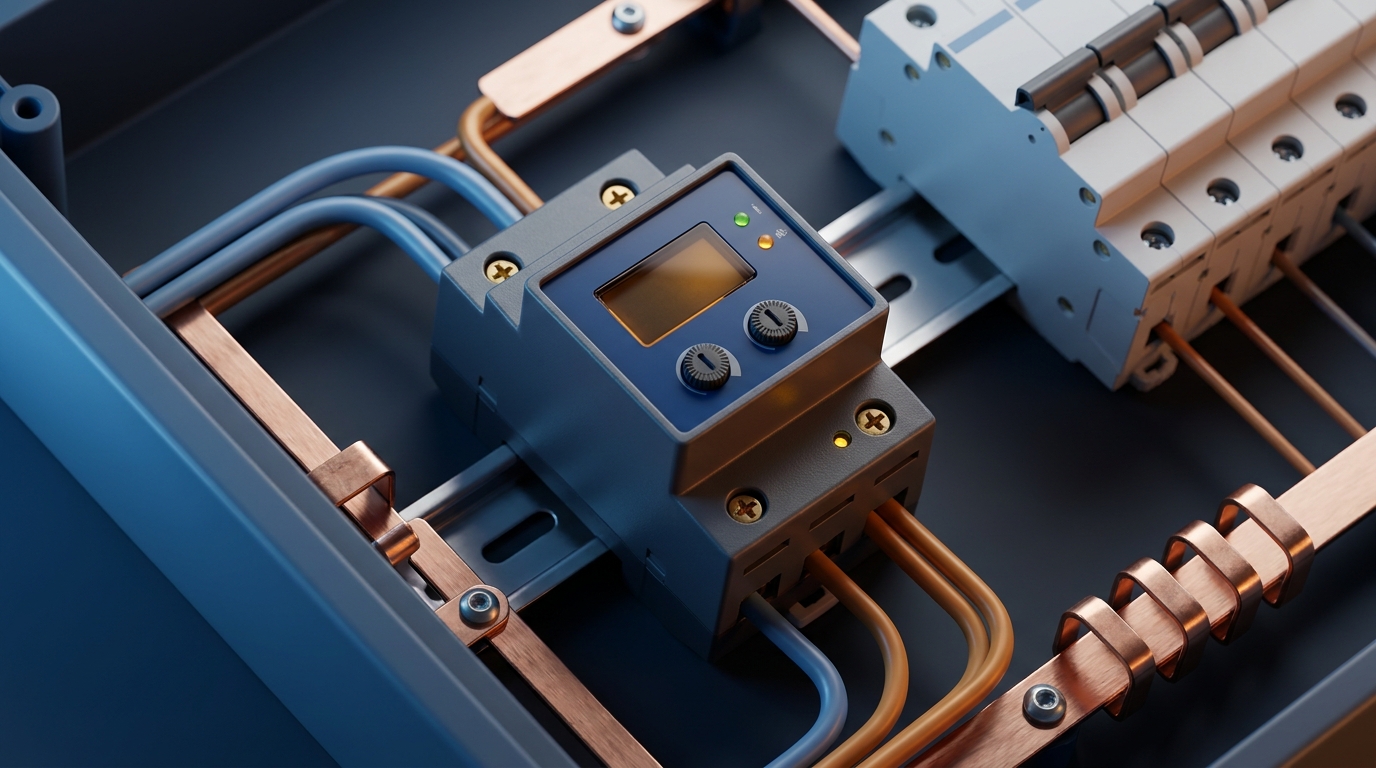
Optimal Voltage Relay Settings: Thresholds and Delay for Your Network
Factory relay thresholds are an averaged compromise that ignores the state of your line. We break down the method: how to choose the upper and lower thresholds by logic, tune hysteresis and delay for a fridge, air conditioner, or water heater, and avoid turning protection into a source of daily false trips...
Read more
10 august 2026
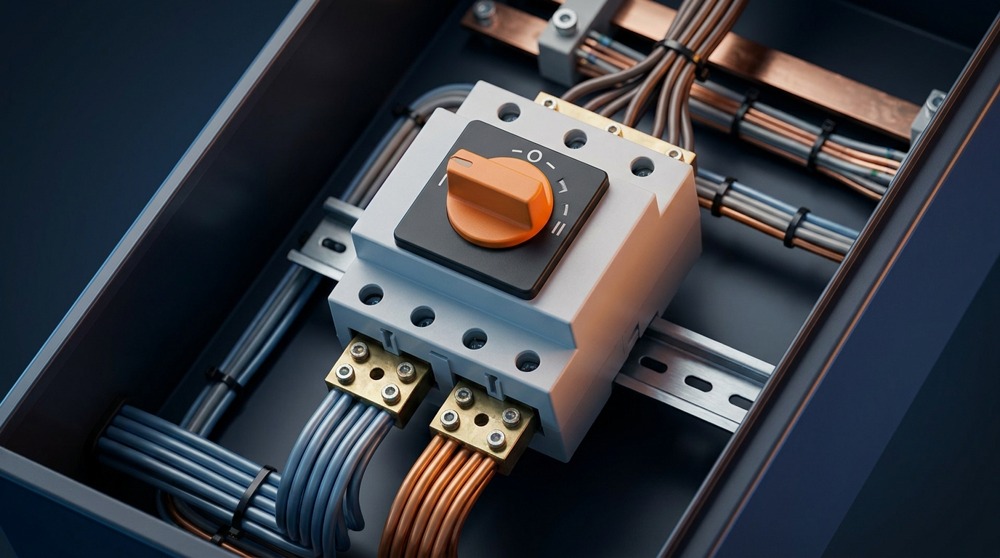
Manual Changeover Switch 1-0-2: What It Is and How to Choose
A changeover switch — also called a three-position switch or a 1-0-2 load transfer switch — is a manual device that moves the house supply from the grid to a generator and back. We explain what the three handle positions mean, how this isolator differs from an automatic ATS, and how to pick the rating and the pole configuration for your site...
Read more
27 july 2026

Innovative solutions by GEWISS and UEC: Technical seminar at PIVDEN SVITLO
UEC held a technical seminar for the partners of PIVDEN SVITLO, showcasing innovative solutions from GEWISS and UEC, including the latest product launches, Smart Home solutions, and comprehensive electrical solutions for residential, commercial, and industrial applications...
Read more
23 july 2026
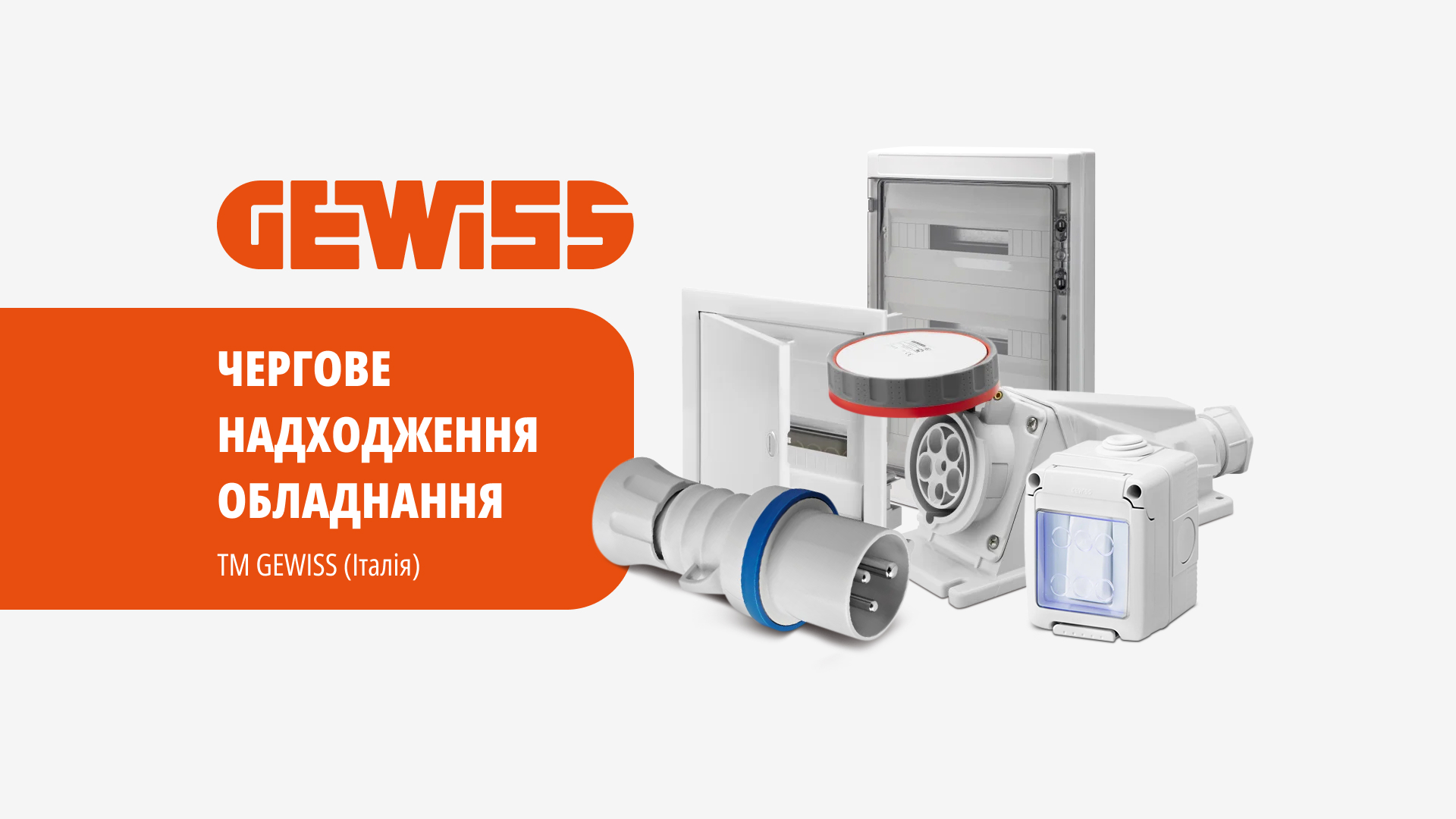
New GEWISS stock arrival at UEC – Circuit Breakers, Enclosures, IEC 309 Plugs & Sockets
A new shipment of GEWISS electrical equipment is now available at the UEC warehouse. The range includes modular protection devices, junction boxes, electrical enclosures, IEC 309 industrial plugs and sockets, and wiring accessories – all ready for immediate dispatch...
Read more
22 july 2026
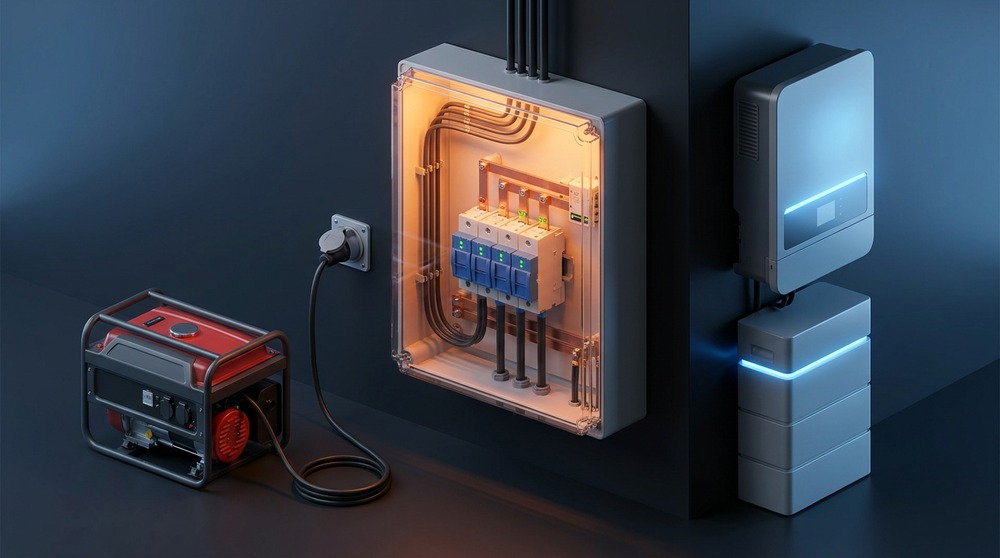
ATS for a Generator and Inverter: Wiring Diagram and Installation
An ATS for a generator transfers the house load to the backup source in 50 ms and guarantees separation between sources. We go through the wiring diagram: where to run line, neutral and earth, where the transfer switch sits in the panel, how the hybrid-inverter scenario differs from the generator one, and why feeding a generator into a socket is lethal...
Read more
20 july 2026
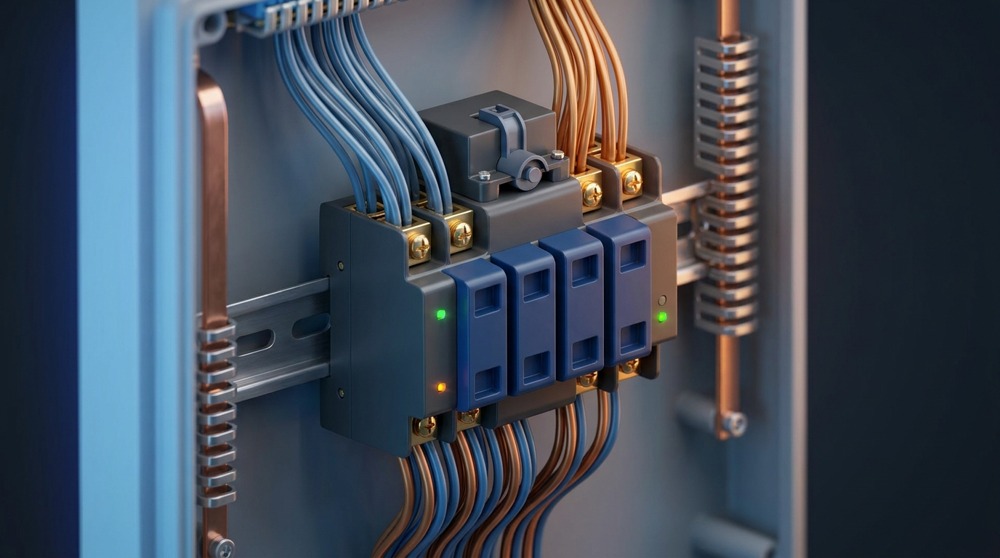
ATS (Automatic Transfer Switch): The Complete Guide
An ATS (automatic transfer switch) moves the load from the grid to a generator or an inverter by itself — in anything from 50 ms to 1-2 seconds. The UEC engineering department explains the operating principle, the four types of device, how to calculate the rated current from power, and how to choose the number of poles for your earthing arrangement...
Read more
13 july 2026
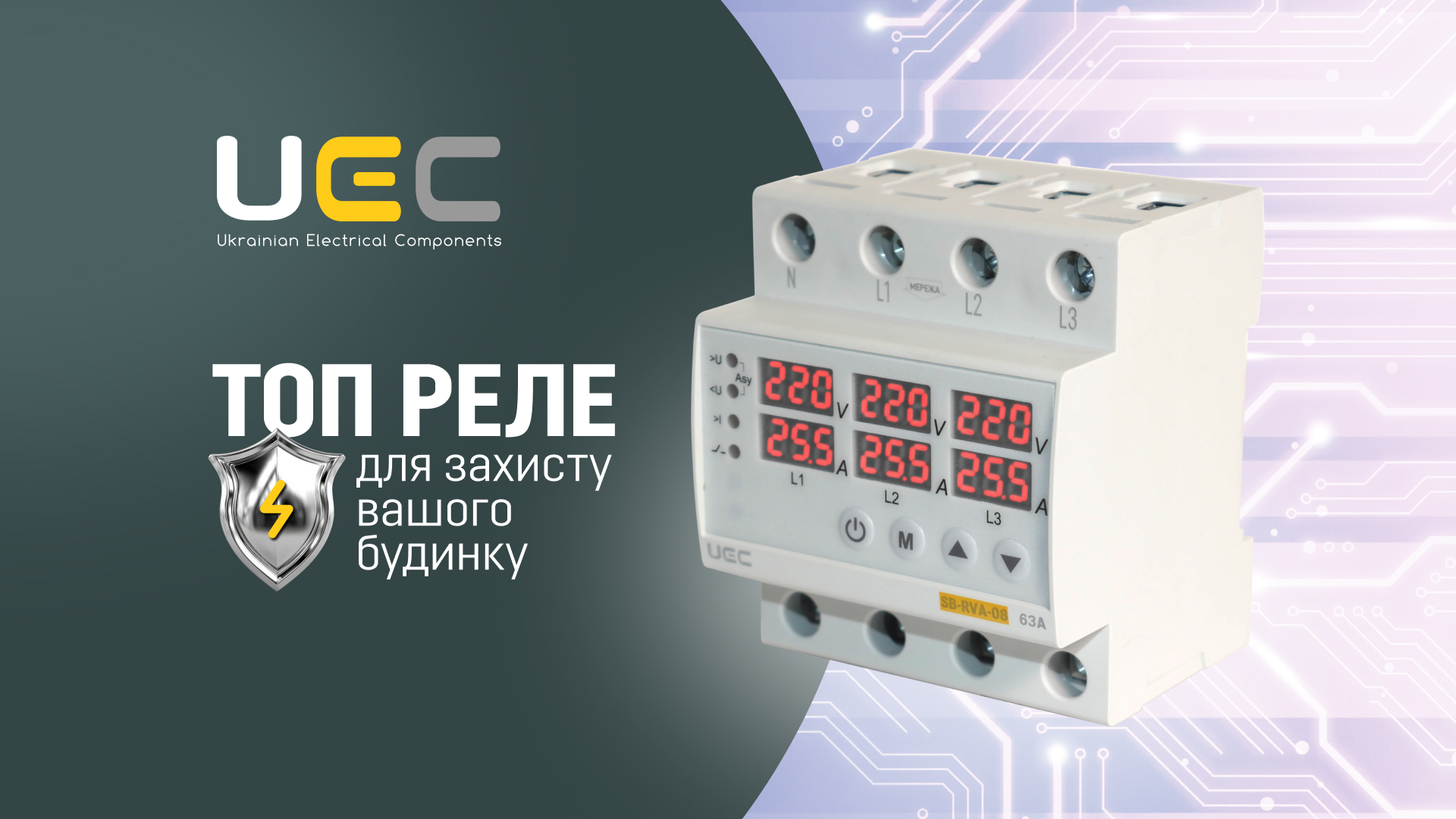
UEC SB-RV & SB-RVA Voltage and Current Monitoring Relays: Reliable Electrical Protection
UEC introduces a new range of SB-RV and SB-RVA voltage and current monitoring relays. The product series provides reliable protection for residential, commercial, and industrial electrical systems, including voltage monitoring, overload protection, and three-phase network control...
Read more
09 july 2026
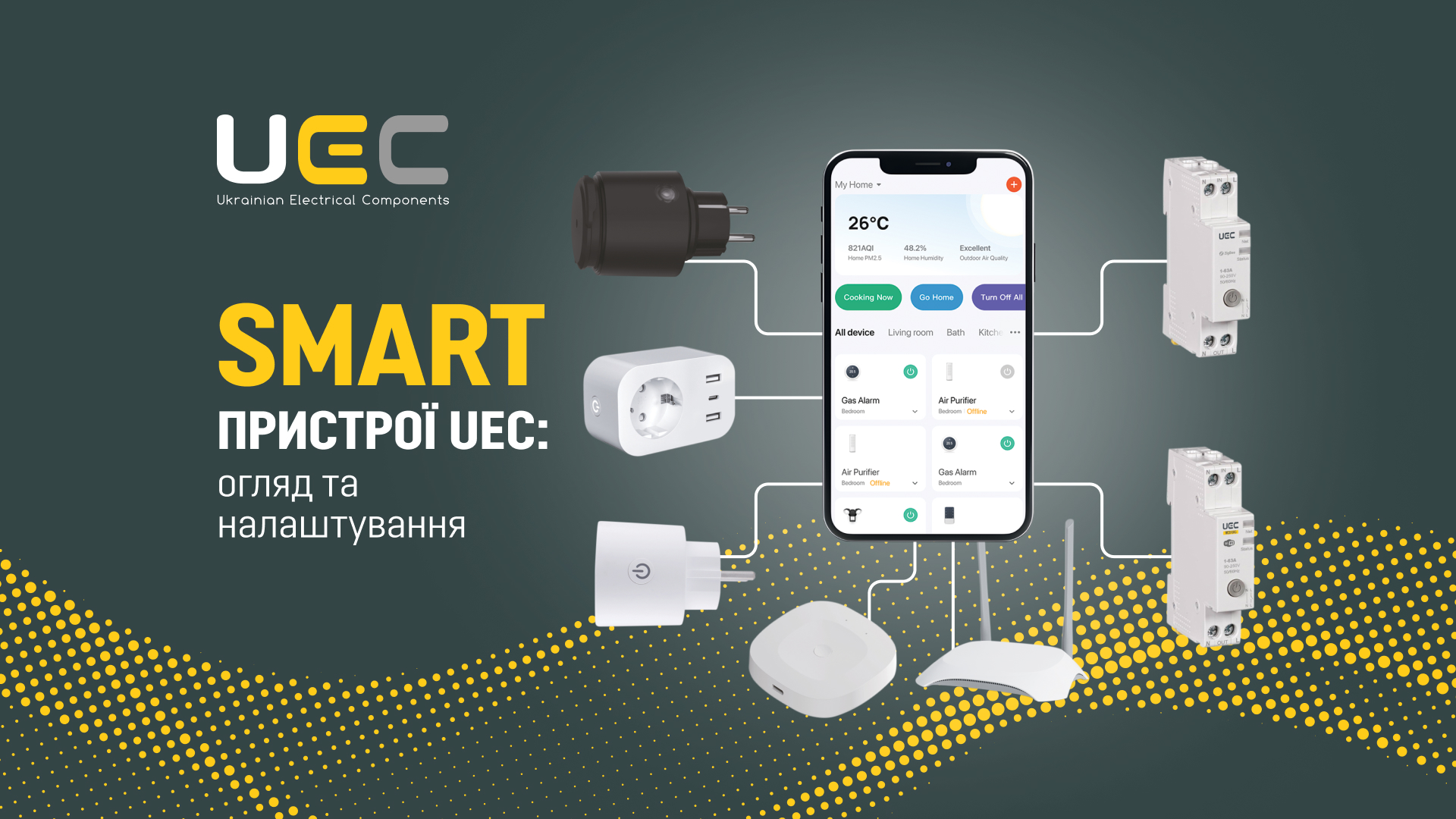
UEC Smart Home Solutions: Wi-Fi & Zigbee Devices for Home Automation
UEC presents a video review of its latest smart home solutions. Discover smart sockets with USB and USB Type-C ports, IP44 weatherproof outlets, Wi-Fi DIN rail smart switches, and a multi-mode Zigbee gateway designed to make your home more comfortable, secure, and energy-efficient...
Read more
09 july 2026
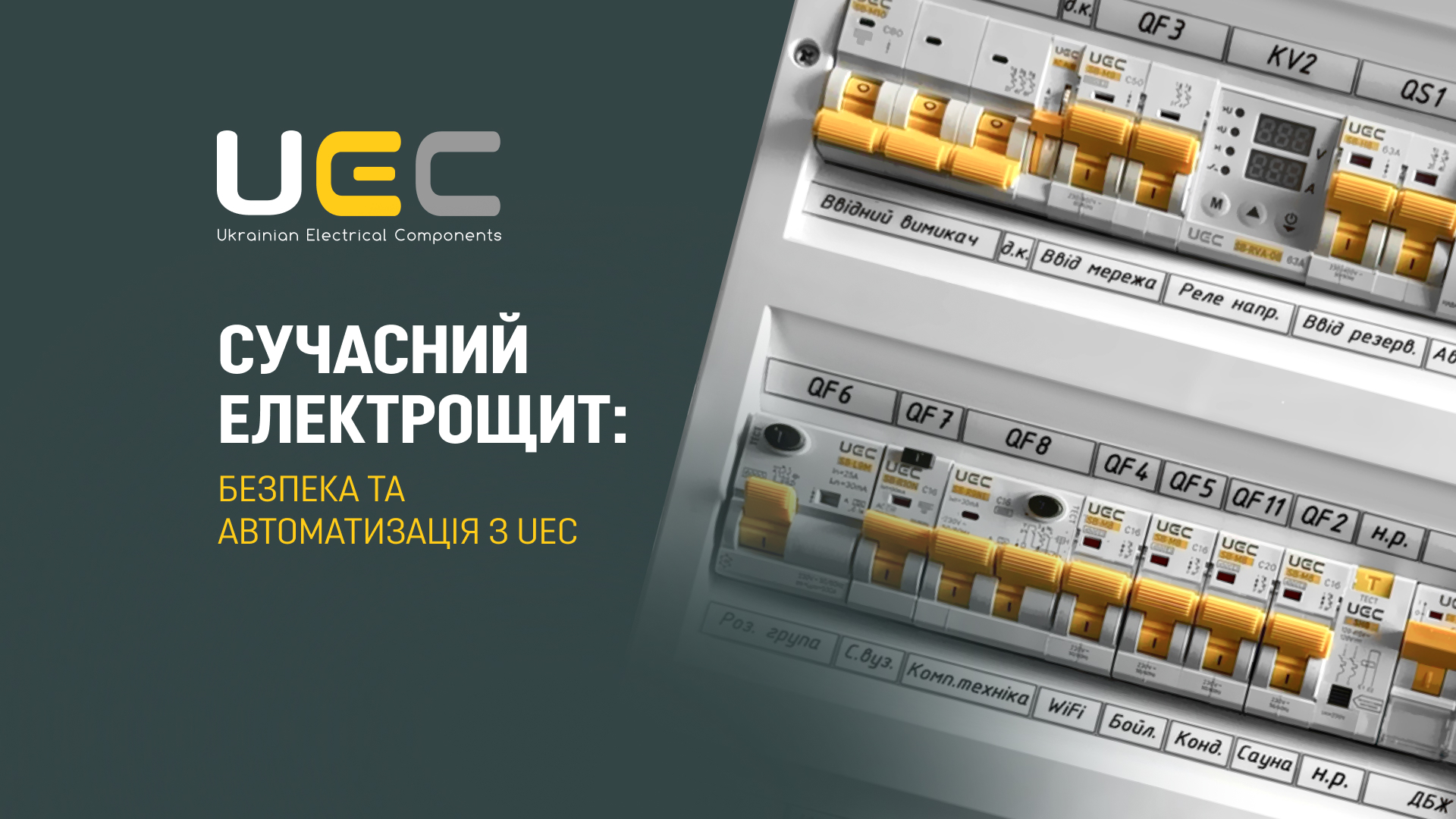
36-Module UEC Electrical Distribution Board: Protection, ATS and Smart Home Solutions
UEC presents a detailed video review of a modern 36-module electrical distribution board assembled with UEC components. The solution combines advanced electrical protection, automatic backup power switching, and smart home automation technologies in one compact enclosure...
Read more
09 july 2026
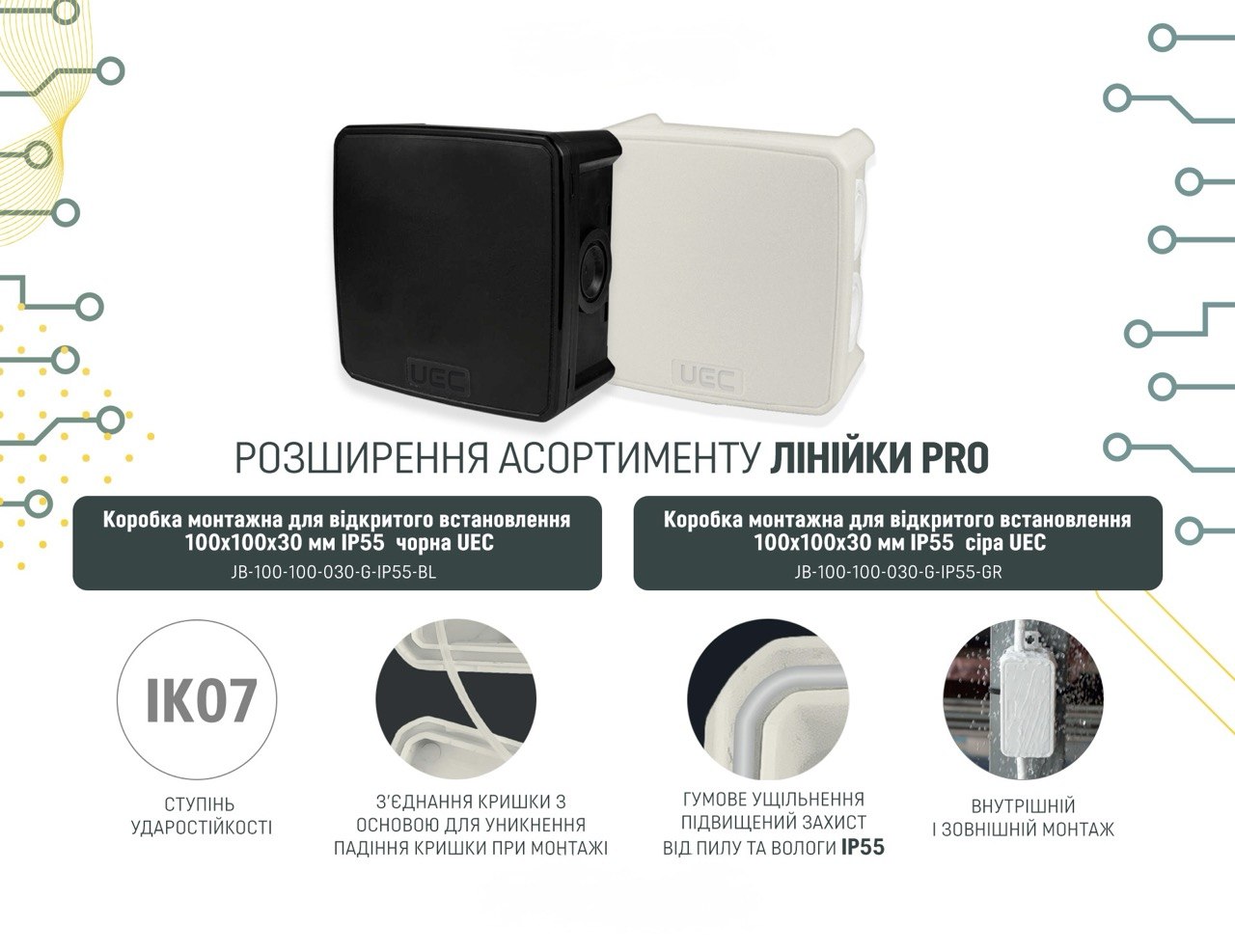
UEC Expands the PRO Series with New IP55 Surface-Mounted Junction Boxes
UEC has expanded its PRO series with new compact IP55 surface-mounted junction boxes. Designed for installations with limited mounting depth, the new models combine durability, ease of installation, and reliable protection...
Read more
09 july 2026