
Article Contents
220V Single-Phase Circuit Breakers: Prices, Calculation & Selection


Key Takeaways
A 220V circuit breaker protects cables from overheating and fire. To select the correct rating, use the formula I = P / U or our online calculator.
Key rule: the breaker is selected for the cable, not the appliance. For 1.5 mm² cable — maximum 10A, for 2.5 mm² — 16A, for 4 mm² — 25A.
Recommendation: install a double-pole breaker (2P) at the main entry point to completely disconnect from the grid.
Hello, I'm Oleh Lukianchuk, Technical Training Engineer at UEC. With 12 years of experience in railway automation systems and electrical engineering, I've seen how the right circuit breaker selection saves lives and property. In 2025, with new safety standards such as expanded grounding requirements in the residential sector, protection selection becomes even more critical. I prepared this article based on our technical expertise and fresh data so you can confidently install safe electrical networks.
What is a 220V Circuit Breaker and Its Purpose
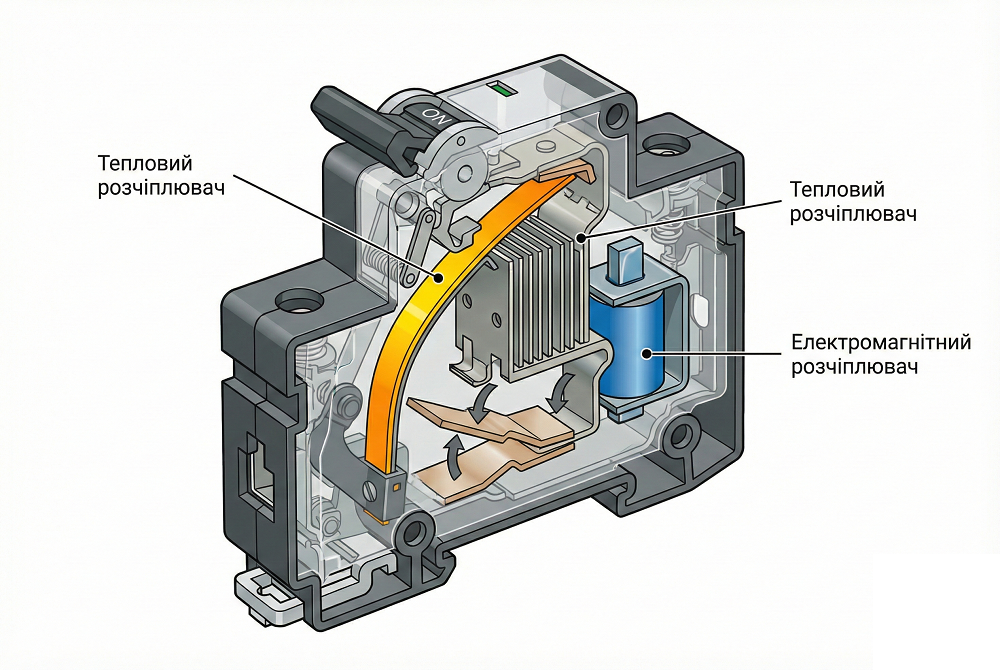
A 220V circuit breaker is not just a "switch" — it's an electromechanical protection device that automatically breaks the circuit in two emergency situations: thermal overload (when too many appliances are connected) or short circuit (instantaneous current surge).
Its main purpose is to prevent insulation melting and fire. In my railway practice, where automation required perfect reliability, I always emphasized: the breaker protects the cable, not the kettle or TV. If you're selecting protection for an apartment, remember: the device rating must match your wiring capacity, not your desire to turn everything on at once. As experts at Electrical Engineering Portal recommend, the rating should be equal to or greater than the calculated load current, but not exceed the cable's capacity.
Quick Selection Block (Commercial Filter)
For those who already know their parameters, we've prepared quick links to popular categories:
- By amperage: 10A (lighting), 16A (outlets), 25A (high-power appliances), 32A-63A (main entry).
- By brand: UEC, Gewiss, Hager, Schneider, Eaton.
- By application: For apartment, For water heater, For main entry.
Online Calculator for Circuit Breaker Selection
To simplify the task, we developed a 220V breaker calculator as an online tool. It helps instantly determine the operating current for your appliance group. Simply enter the total power in Watts (for example, 2000W for a water heater), and the system will suggest the recommended rating based on standard 220V voltage.
220V Circuit Breaker Calculator

Warning! Working with electrical equipment is life-threatening!
All work in the electrical panel must be performed only by qualified electricians with the power disconnected. Before starting work, be sure to de-energize the line and verify the absence of voltage with a measuring device.
Calculating 220V Circuit Breaker Rating: Formula and Example
If you want to understand the physics of the process, calculating the 220V circuit breaker rating is based on Ohm's Law. The basic formula is:
Current calculation formula:
I = P / U
Where:
- I — current in Amperes;
- P — appliance power in Watts;
- U — grid voltage (220V).
Let's look at a real example from my panel assembly practice. You have a 2 kW (2000W) water heater. Calculation: 2000 / 220 = 9.09 A. Theoretically, you could install a 10A breaker. However, engineers at Weisho Elec recommend adding a safety margin of about 25% to avoid false trips, especially if the grid voltage "floats." In this case, 10A would work at the limit, so it's better to choose the nearest standard rating — 16A, provided the cable allows it. We wrote more about calculation nuances in our guide how to calculate a breaker by power and current.
⚠ IMPORTANT: The breaker is selected FOR THE CABLE, not for the appliance. If the calculation shows 25A but you have 1.5 mm² wire installed, installing a 25A breaker is prohibited — this will lead to fire.
How to Choose a Breaker: Power and Cable Cross-Section Table
This is a critically important step. Beginners often make a mistake: they install a powerful 25A breaker on a regular outlet, thinking it's "more reliable." This is dangerous.
Copper Cable Cross-Section to Breaker Rating Relationship
The "weakest link" rule states: the breaker must trip before the insulation of the thinnest wire in the line starts melting. Below is the table we use at UEC when training electricians. It's based on IEC standards and practical recommendations from Britelighting.
Breaker Selection by Cable Cross-Section Table
| Copper Core Cross-Section (mm²) | Max. Allowable Cable Current | Recommended Breaker (A) | Typical Load (kW) |
|---|---|---|---|
| 1.5 mm² | 19 A | 10 A | Lighting (up to 2.2 kW) |
| 2.5 mm² | 27 A | 16 A | Outlets (up to 3.5 kW) |
| 4.0 mm² | 38 A | 25 A | Cooktop / Main Entry (up to 5.5 kW) |
| 6.0 mm² | 46 A | 32 A | Main Entry (up to 7.0 kW) |
If you're planning a complex system, also check our circuit breaker selection table by cable cross-section and power.
Technical Selection Nuances: Curves, Poles, and Breaking Capacity
The correct rating is only half the battle. Professional selection considers load characteristics and network type.
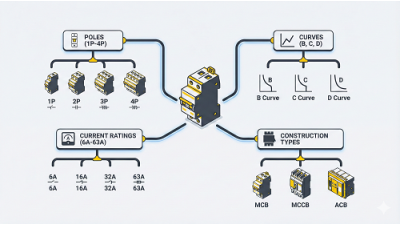
Trip Characteristic: B or C?
These letters on the housing indicate how quickly the breaker will react to a current surge (inrush current).
Curve B: Trips at 3-5 times the rated current. Ideal for older networks (with low short-circuit currents), long lines, and resistive loads (lighting, heaters).
Curve C: Trips at 5-10 times the rated current. This is the universal standard for residential use where there are motor-driven appliances (vacuum cleaners, air conditioners). Weisho Elec research confirms that curve C helps avoid nuisance trips during motor startup.
More details in our article time-current characteristic of circuit breakers: how to choose (B, C, D).
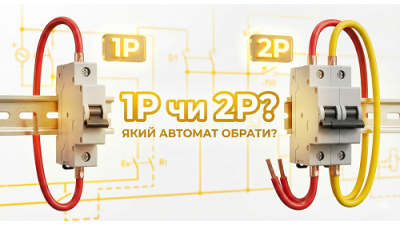
Single-Pole (1P) or Double-Pole (2P) Breakers?
Many people save space in the panel by choosing only single-pole models.
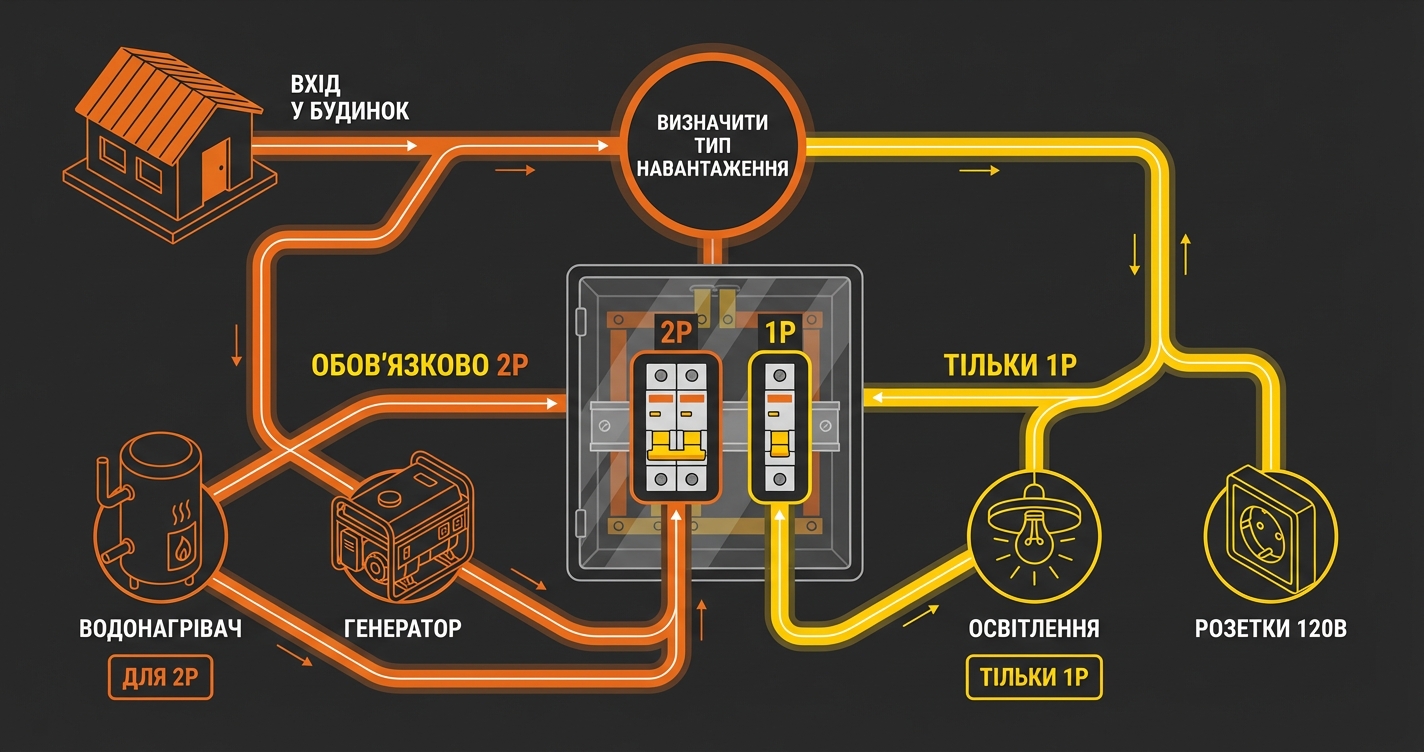
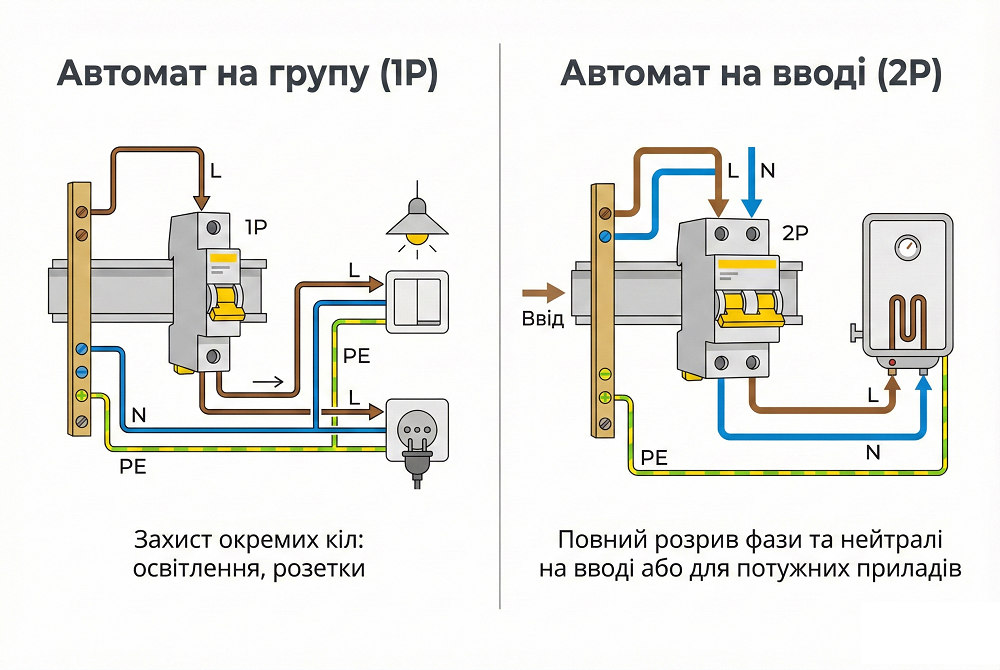
1P (Single-Pole): Breaks only the phase conductor. This is acceptable for individual lighting groups or outlets in dry rooms.
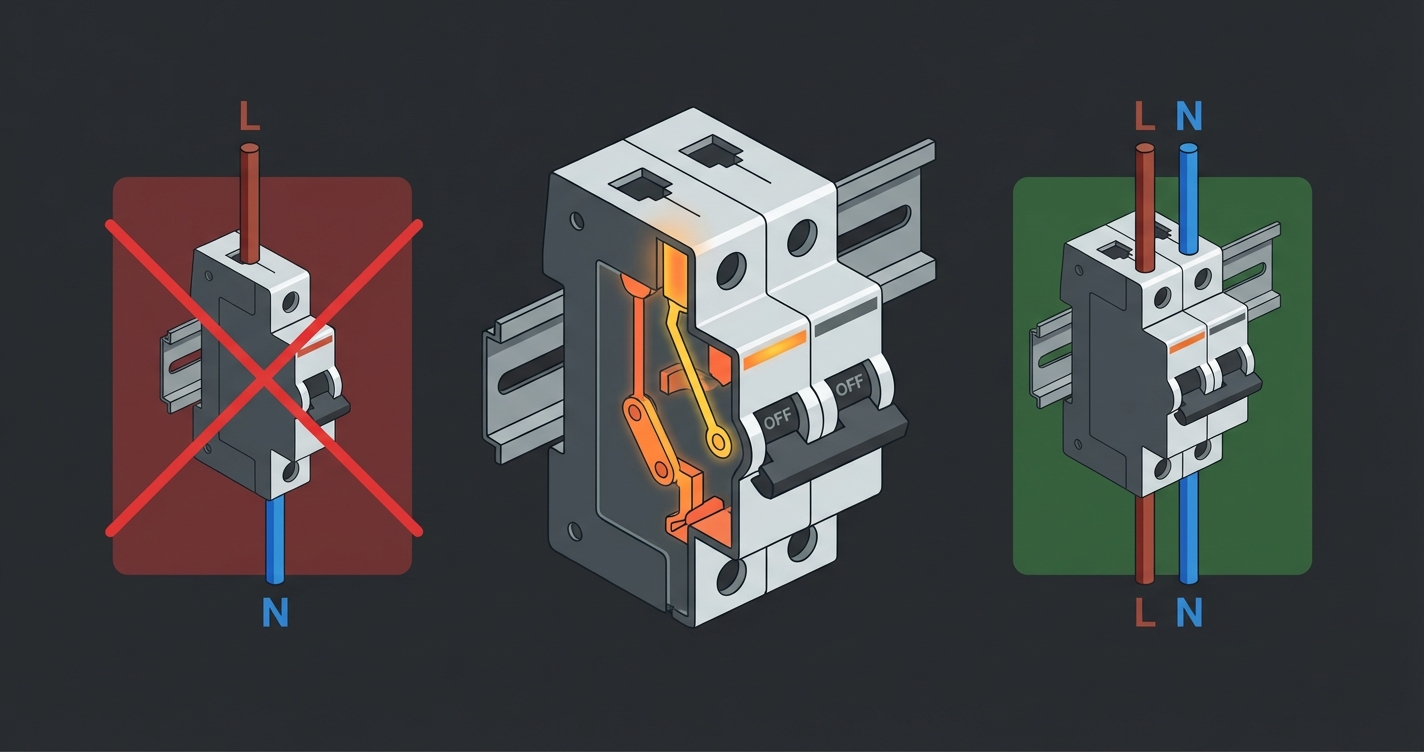
2P (Double-Pole): Breaks both phase and working neutral. Mandatory for the main entry breaker in an apartment and for connecting "wet" zones (water heater, washing machine). In case of a power line emergency (neutral break), a 2P breaker will completely de-energize the apartment, protecting you from electric shock. According to safety requirements, breaking the neutral along with the phase is critical for TN-S and TN-C-S systems.
Comprehensive information is available in our guide how to choose the number of poles for a circuit breaker.
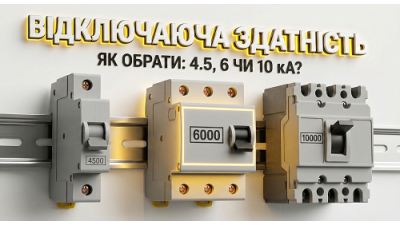
Breaking Capacity (kA): 4.5 or 6?
This parameter shows what maximum short-circuit current the breaker can withstand without falling apart or welding its contacts.
4.5kA: Sufficient for older apartments and country houses far from substations.
6kA: Modern standard for new residential complexes, offices, and cottages. As City Electric indicates, for reliable home protection, it's better to choose models rated at least 6kA, and for main panels — even 10kA.
Read more in our article what is circuit breaker breaking capacity.
Standard 220V Breaker Ratings and Applications (Prices)
The Ukrainian market offers series for any budget. At UEC, we offer both premium Italian GEWISS solutions and our own UEC line, which represents the "golden middle" in price and quality.
Below are approximate prices and application areas for single-pole breakers:
| Rating (A) | Typical Application | Budget Series (UAH) | Premium Series (UAH) |
|---|---|---|---|
| 10A | Lighting | ~120 UAH | ~250 UAH |
| 16A | Outlets | ~120 UAH | ~250 UAH |
| 20-25A | High-power appliances | ~140 UAH | ~280 UAH |
| 32-40A | Main Entry | ~180 UAH | ~350 UAH |
Learn more about 220V specifics on our page calculating 220V circuit breaker rating. Prices are subject to adjustment depending on new shipments.
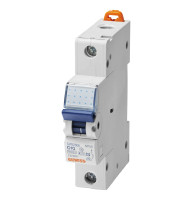
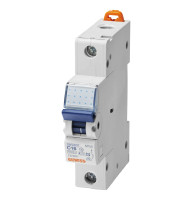
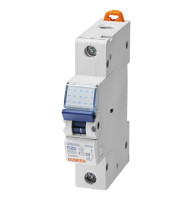
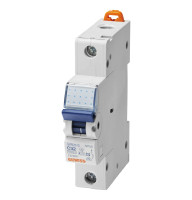
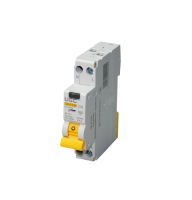
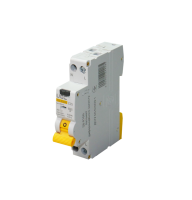
Home Automation Manufacturer Ranking
From my experience working with various brands, I can highlight the leaders that professionals trust:
- Top segment (GEWISS, Schneider Electric, Hager): This is uncompromising quality. Italian GEWISS, for example, is known for its reliable terminal clamps and actual compliance with stated 6kA/10kA ratings.
- Mid-range segment (UEC, EATON): Optimal choice for apartment renovation. Our UEC automation is manufactured with Ukrainian electrical grid realities in mind and undergoes strict quality control.
For a more detailed overview of device types, I recommend the article types of circuit breakers and their classification.
Frequently Asked Questions (FAQ)
❓ What breaker is needed for an outlet group?
The gold standard for household outlets is a 16A rating combined with 2.5 mm² cable. Installing more (20A or 25A) on regular outlets is dangerous because the outlet mechanism is rated for a maximum of 16 Amperes and may melt.
❓ What breaker should I install at the apartment main entry?
This depends on the limit set by your contract with the power distribution company. Usually it's 25A, 32A, or 40A. For the main entry, I strongly recommend installing a double-pole breaker (2P) to be able to completely disconnect the apartment from the grid.
❓ What's the difference between a 220V and 380V breaker?
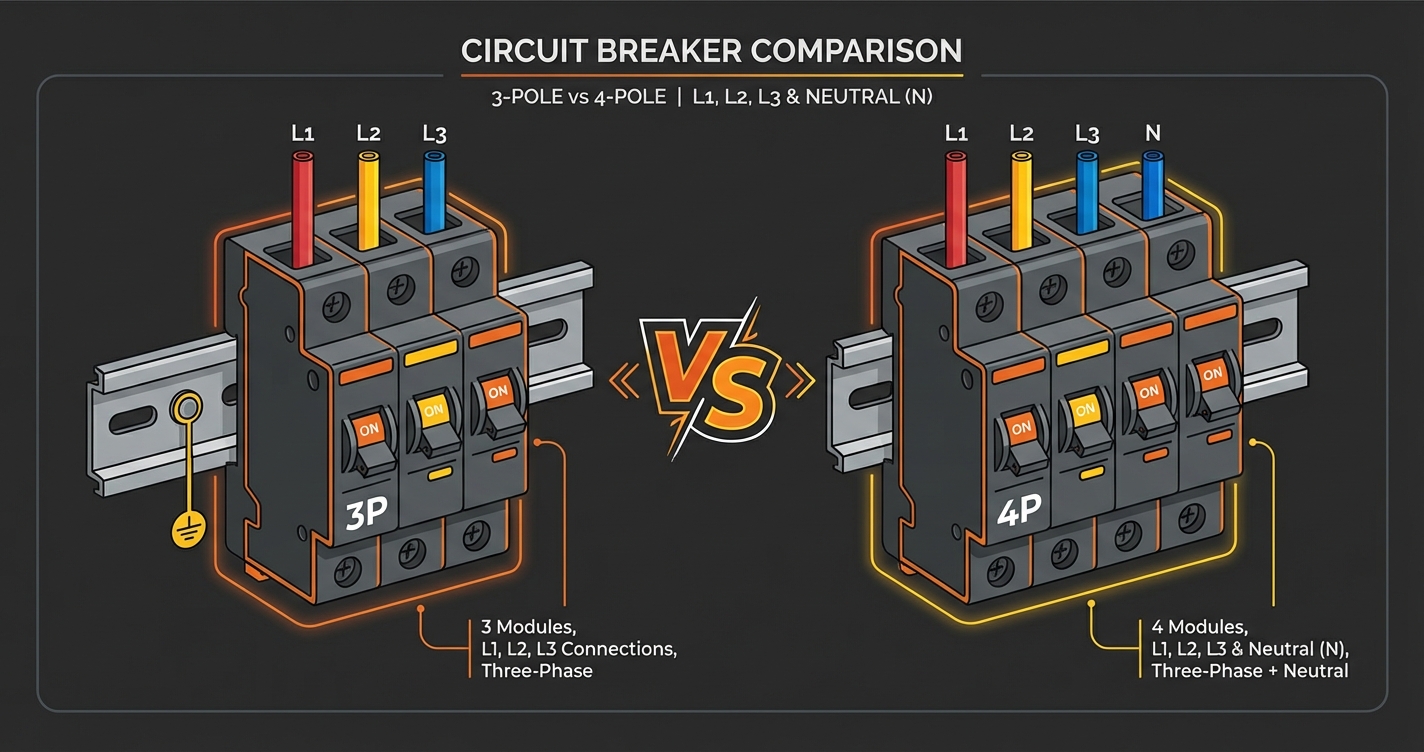
The main difference is in the number of poles. For single-phase 220V networks, 1-pole (1P) or 2-pole (2P) breakers are used. For three-phase 380V networks, 3-pole (3P) or 4-pole (4P) breakers are needed. Read about three-phase protection specifics here: calculating 380V circuit breaker rating.
Expert Conclusion
Your home's safety rests on three pillars:
Click on an item to mark it as completed:
If you're unsure about your choice, remember: it's better to consult UEC specialists than to deal with the consequences of an incorrect breaker rating.